Waste management in hotels is an important process that helps maintain cleanliness, protect the environment, and reduce operational costs. Hotels generate different types of waste from kitchens, guest rooms, restaurants, laundry, and offices. Proper waste management ensures that waste is handled, reduced, and disposed of responsibly.
Types of Waste in Hotels
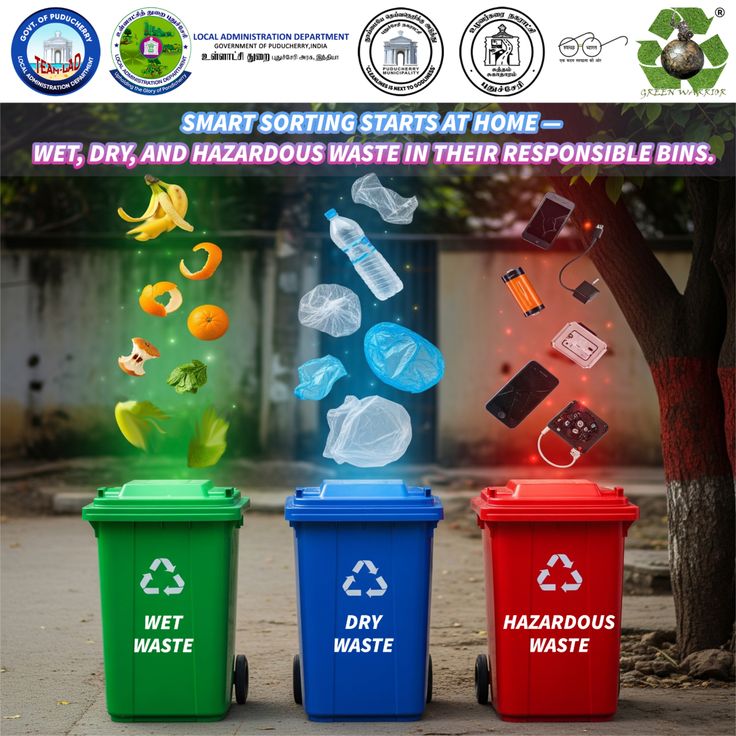
Leftover food, vegetable peels, expired food items from kitchens and restaurants.
Paper, plastic bottles, packaging materials, glass, and cans.
Cleaning chemicals, batteries, light bulbs, and electronic waste.
Used detergents, fabric lint, and packaging materials.
Leaves, branches, and grass from landscaping areas.
Waste Segregation
Separate waste at the source into wet waste, dry waste, and hazardous waste.
Use color-coded bins for proper identification.
Train staff to follow correct segregation practices.
Recycling
Recycle materials like paper, plastic, glass, and metal.
Partner with recycling companies for proper waste processing.
Encourage reuse of items wherever possible.
Food Waste Management 1) Control portion sizes to reduce food wastage. 2) Donate excess food to charities when possible. 3) Convert food waste into compost or biogas.
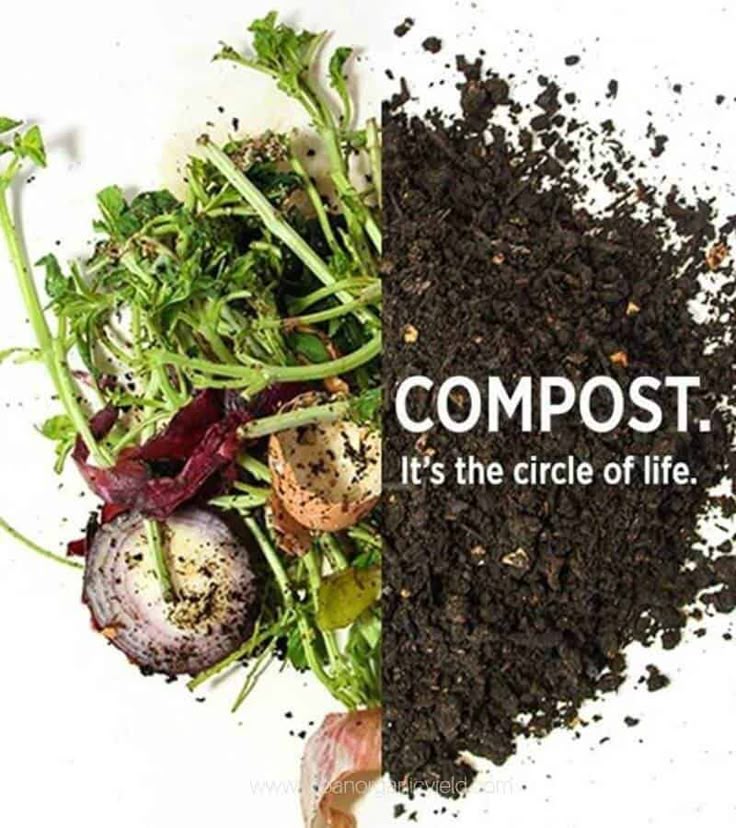
Composting 1) Organic waste such as vegetable peels and garden waste can be converted into compost. 2) Compost can be used for hotel gardens and landscaping.
Waste Reduction Strategies 1) Use reusable products instead of disposable items. 2) Reduce single-use plastics. 3) Implement digital systems to reduce paper usage.
Staff Training 1) Train employees about waste segregation and sustainable practices. 2) Conduct regular awareness programs for housekeeping, kitchen, and maintenance staff.